ShareDoc
Help us support the Najar family - an Afro-Palestinian Bedouin facing displacement and erasure in Jordan. They urgently need to buy land to secure a home for three generations. The minimum amount for suitable land near Amman is currently €65,000 so every donation counts.
Unfortunately we cannot load this video because of your cookie preferences. Please allow functional cookies if you want to view this video.
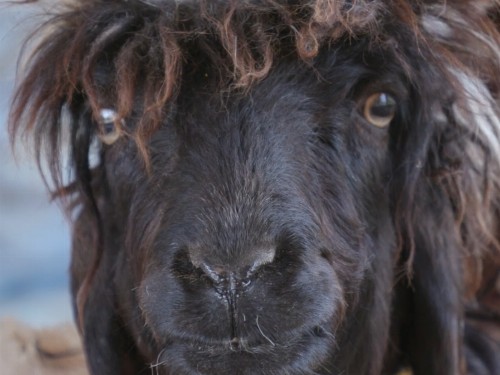
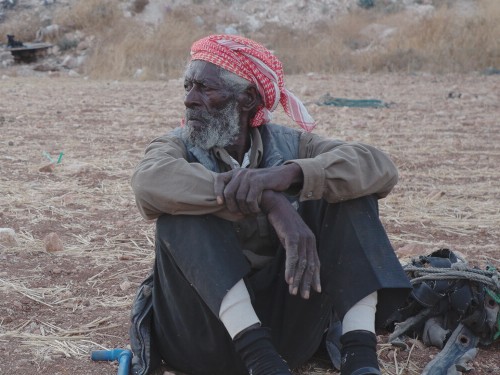
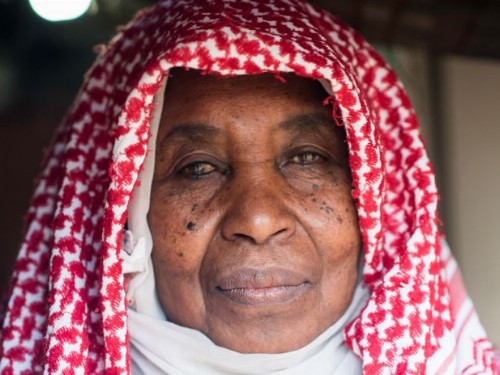
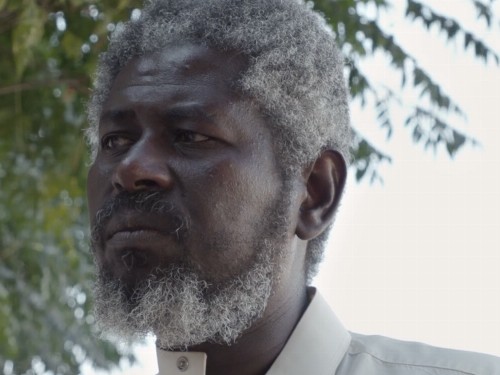
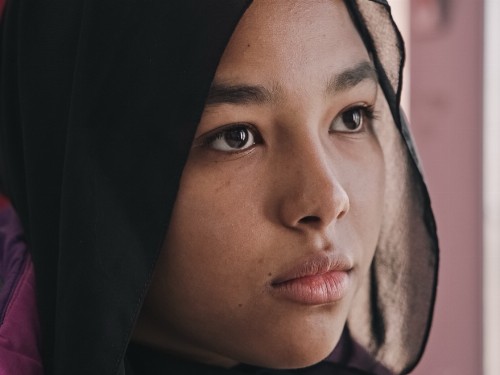
Visit the Cookie Policy pageOn the outskirts of Amman, Jordan, the Al-Najars are one of the last Afro-Palestinian-Bedouin families in the capital. They live in exile on agricultural land, in makeshift tents with their animals, including their beloved pet sheep, Badrya. Abu-Awad and Hakima, the family’s elders, are devoted to Bedouin traditions. Their son, Awad, works as a cement truck driver, torn between tradition and modernity. At the start of Concrete Land his eldest daughter Eman – then 10 - faces bullying at school for her Bedouin background and skin color, yearning for acceptance in a city that offers education but erases her culture.
Their fragile existence shatters when high-end villas rise around them, owned by neighbours who look down on their Bedouin lifestyle. The family's life turns upside down when they receive a governmental eviction notice to “clean up” the area of animals or face removal within five days. They reluctantly part with their animals, severing Abu-Awad’s last link to his identity. But their sacrifices are in vain. A neighbor, wanting their "uncivilized tents" gone, slashes their tent and threatens their lives. Isolated and unprotected, they must endure harassment or leave, sacrificing Eman’s education.
Overwhelmed by loss, Abu-Awad passes away. Grief washes over the family. As they pack, they reflect on their losses: the animals, Abu-Awad, and now their home. The film ends with them heading into uncertainty. Since then, they have been forced to move many times. Right now, they are being displaced once more as the government land they have been on for three years has been sold to a property developer who has started eviction processes. They need their own land to stop this cycle of being uprooted constantly which threatens their security and future.
 EN
EN
 FR
FR
 DE
DE
 ES
ES