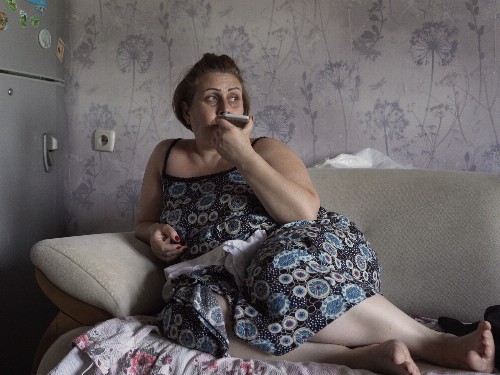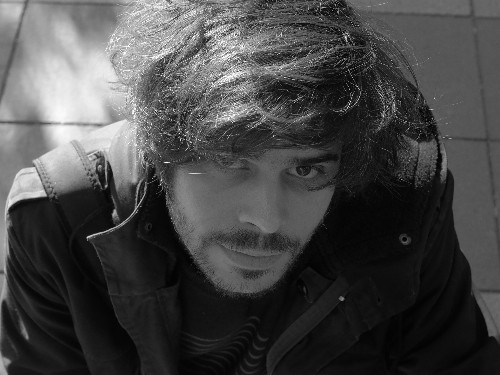
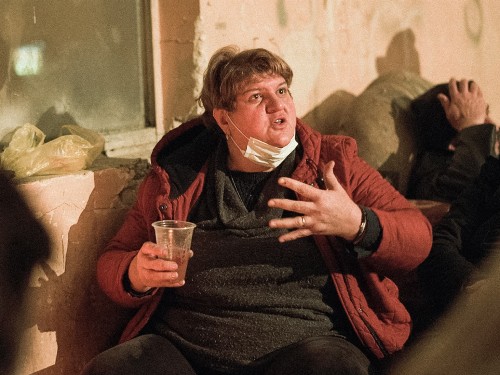
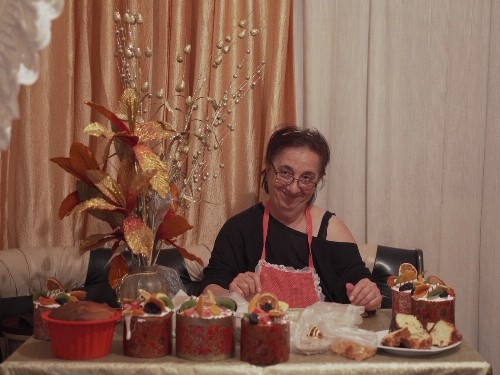


Irma is the beating heart of Kartli. Her small room is a community's shelter. After two heart surgeries and losing everything in Abkhazia, she started anew in a former sanatorium in Tbilisi. Working in a sewing factory for just 300 euros a month, she struggles amid rising inflation. After 33 years of waiting, she received a one-room apartment in the suburbs, but it has bare cement walls, is unfurnished, and lacks heating, forcing her to rebuild her life from almost nothing.
Marina, in her 60s, is Irma's best friend. She lived in Abkhazia until her late 20s but was forced to abandon her bright dreams after the war. To secure a 12-square-meter room in the Kartli sanatorium for herself and four family members, she sold her last remnant of her life in Sukhumi - a golden chain with a cross. Now, Marina works as a second-hand clothing seller in a rented space, unable to afford weekends off or holidays. Alone, she cares for her underage son and her husband, who is in recovery from addiction.
Diana is cherished as a community caregiver, always ready to lend a hand to the everyday needs of Kartli's people. She advocates for the community's rights and needs when engaging with officials and the media. Understanding the power of humour and laughter as a means to overcome hopelessness and despair, she brings light to those around her. Diana works two jobs to support her teenage daughter and her disabled husband while striving to create a new life in her new, though empty, flat.
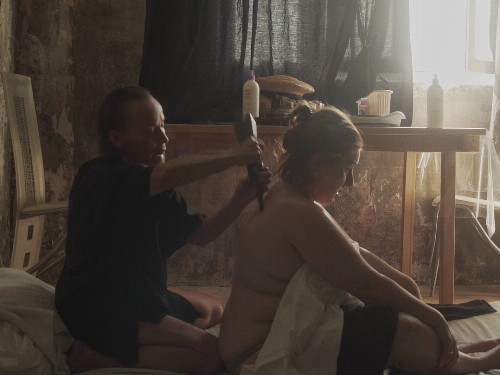
Elena Broshe, in her late 50s, hails from Kharkiv, Ukraine. Shortly after Russia's full-scale invasion, her building fell within an attack zone. For weeks, she hid in the basement enduring the terror of war - lost friends, and the devastation of losing her home and possessions. When it became too dangerous, she fled to Georgia, taking only her wooden Tai massage set, which she had mastered while living in Thailand. Now, in a vacant room in Kartli, she seeks to give back by offering massage to those who helped her.
Barbare, 13, was raised in Chiatura, Georgia, a city plagued by manganese mining. She and her sister Mariam, were born with chronic lung diseases and heart problems due to severe pollution. Their grandmother sheltered them at the Kartli sanatorium to help improve their health. However, the family had to emigrate to Germany for Mariam’s treatment after a harmful misdiagnosis. Now in Jena without legal status, they await potential deportation with only their grandmother’s unfurnished apartment to call home.
Tamar Kalandadze (1990, Tbilisi) is a Georgian filmmaker and visual media artist. After studying Art history, she completed a master's program in cinema directing at The Caucasus School of New Cinema. The Kartli Kingdom is her debut film co-directed with Julien Pebrel.
Julien Pebrel is a French director and photographer based in Paris and Tbilisi. His first feature film, The Kartli Kingdom was co-directed with Tamar Kalandadze. His photography, focused on everyday life in regions marked by recent history is published in major outlets and exhibited internationally.
Let's help the women of Kartli move into their new apartments - furnish their homes.
Unfortunately we cannot load this video because of your cookie preferences. Please allow functional cookies if you want to view this video.
Visit the Cookie Policy pageOur brave women who, besides enduring war traumas, stigmatisation, and living in undignified conditions, continue to stay sane and fearless in the face of the autocratic Georgian government, amid rising inflation, wild capitalism, pharmacy mafia, and banking terror.
Hundreds of thousands of Georgians fled their homes in the disputed region of Abkhazia following the 1993 war. With hardly any shelter available in the country, many sought refuge in vacant government buildings. One such place was the former Kartli sanatorium, named after Georgia’s famed historical kingdom. Around 200 families settled there, believing their stay would be only temporary.
Only three decades later, after one of the inhabitants sacrificed himself by jumping from the roof, did the government begin distributing new flats to the people of Kartli.
But while the relocation process has begun, most inhabitants of Kartli face another hardship: they struggle with fragile economic situations and often cannot afford even the basics for their new homes.
Despite being hard workers, many are employed in low-income sectors, making this new challenge just another in a long list of financial difficulties they have faced throughout their lives, including medical operations, accidents, and job loss.
In a country where workers lack protection, refugees receive little assistance, and the healthcare system is deeply flawed, their situation is dire.
Your donations can help them solidify this important step on their journey, where they hope to finally find a bit of peace.

You can withdraw your consent at any time by visiting the cookie policy page.